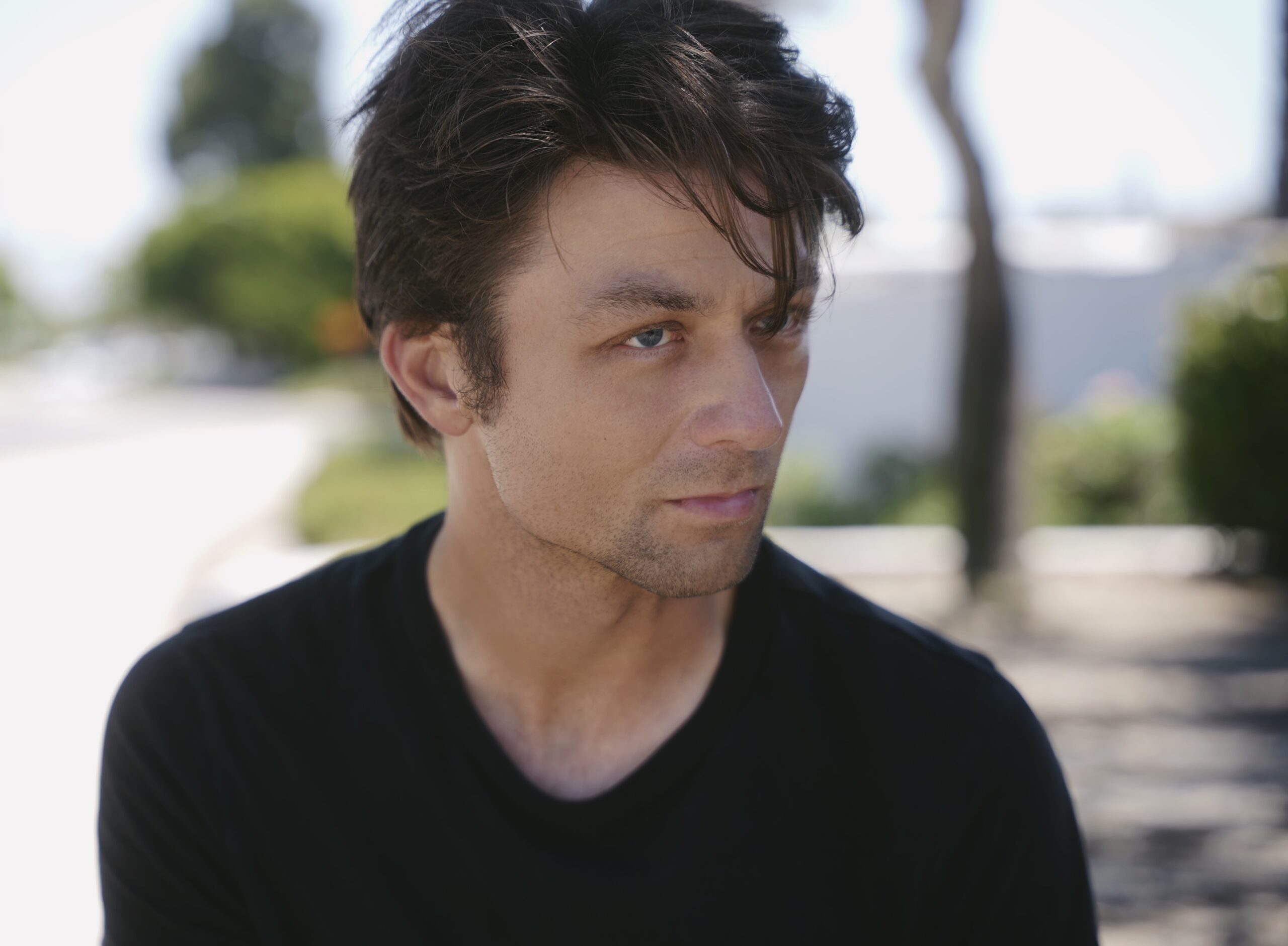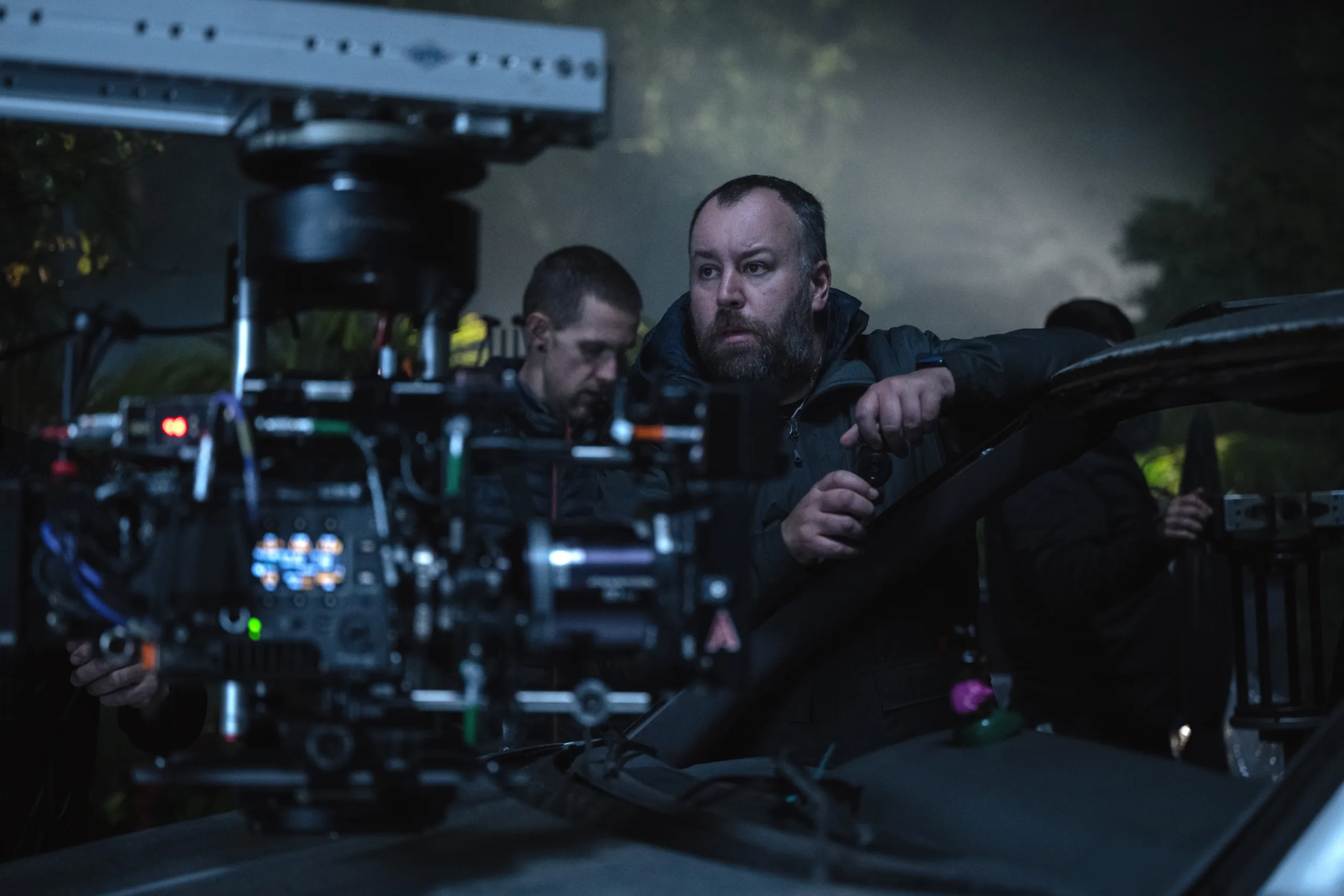
In an era where digital tools dominate genre filmmaking, PRIMATE stands out for embracing something refreshingly tactile: practical effects, contained suspense, and a visual language rooted in the monster movies of the ’80s and ’90s. At the center of that approach is cinematographer Stephen Murphy, whose background in makeup effects and love of classic widescreen cinema helped shape PRIMATE into a film that feels designed for the big screen.
How Murphy’s love of practical effects and widescreen filmmaking helped shape PRIMATE’s throwback sense of fear.
I recently spoke with Murphy about his path into cinematography, the creative challenges of shooting a largely single-location thriller, and how lighting, lenses, and collaboration brought the film’s creature – and its fear – to life.

From Monsters to the Camera
Murphy’s journey to cinematography didn’t begin behind a lens. Originally training as a makeup artist, he was fascinated by classic creature work and early Industrial Light & Magic effects – models, miniatures, and the physical artistry behind iconic films. That hands-on background eventually intersected with black-and-white photography, where learning to process and print his own images sparked a deeper interest in visual storytelling.
A lifelong comic-book fan, Murphy describes the cinematographer’s role as strikingly similar to that of a comic artist: interpreting a script visually while collaborating closely with a writer – or, in cinema’s case, a director.
“What the cinematographer does with a director is essentially the same relationship that a comic book artist has with a writer.”
That realization led him to the camera department, starting at the lowest rung and working his way up in Ireland before moving to London to pursue cinematography full-time.
Discovering PRIMATE
PRIMATE came together quickly. Murphy was finishing another project when the film’s production manager – someone he’d worked with before – reached out about a contained thriller shooting in London. What immediately caught Murphy’s attention was the commitment to a mostly practical creature and a single, carefully designed location.

Within weeks, Murphy moved straight from New Zealand into prep, drawn by the challenge of crafting a tense, enclosed horror film with a creature at its core – exactly the kind of storytelling he’d loved since childhood.
Shooting Old-School Horror with Modern Tools
For PRIMATE, Murphy and the team shot on the Sony Venice using Panavision T-Series anamorphic lenses. While the choice was technically practical, it was also deeply emotional.
Anamorphic cinematography, Murphy explains, is inseparable from the movies he grew up watching. The widescreen format allowed the film to fully exploit negative space – suggesting movement in the shadows, hinting at danger just off-frame, and letting tension build across the width of the image. It’s a visual strategy famously employed by John Carpenter, and one Murphy embraced wholeheartedly.

There were practical benefits too. The shallower depth of field helped sell scale and depth on a soundstage, softening backgrounds and making prosthetics feel more lifelike. The lenses were also kinder to creature makeup, subtly smoothing transitions that might otherwise reveal the suit’s artifice.
The Challenge and Reward of Practical Creatures
Working with a performer inside a full creature suit introduced unique challenges. Physical limitations – such as how long contact lenses could be worn – dictated shooting schedules, requiring careful planning to ensure both performance quality and performer safety.
Creatively, Murphy’s job was to give an inanimate suit life. That meant sculpting light carefully to catch the creature’s eyes without over-lighting the face, balancing realism with atmosphere. Scale was another constant consideration. By adjusting blocking and camera placement, Murphy could manipulate perspective so the creature felt larger and more imposing without visual trickery.

It’s old-school filmmaking sleight of hand – and exactly the kind of craft that makes practical effects resonate.
Lighting the Darkness
Much of PRIMATE takes place at night, but Murphy was determined the film would never feel unreadable. Drawing inspiration from cinematographer Dean Cundey, Murphy aimed for images that were dark yet expressive – where audiences could still read emotion and intent.
Rather than plunging scenes into murky blackness, he focused on sculpting faces with light, letting shadows fall naturally while preserving clarity. It’s a philosophy rooted in classic cinema: darkness should create mood, not confusion.

Collaboration and Happy Accidents
Despite extensive preparation, Murphy doesn’t lock himself into inflexible shot plans. On set, actors bring new ideas, blocking evolves, and the physical space reshapes creative intent. The key, he says, is adapting without losing the essence of the plan.
One moment on PRIMATE emerged from a happy accident – an unexpected light bounce discovered while problem-solving a tight, claustrophobic space. In that sequence, a reflection off part of the set created exactly the tension Murphy was looking for. Once it appeared, the team locked it in.
It’s a subtle but telling example of why physical sets and in-person filmmaking still matter.
“You have to watch for the story that’s in front of you – not the story that you think is in front of you.”
Preserving Vision Through Color
Murphy’s involvement didn’t end when shooting wrapped. From early tests, he worked with his colorist to develop a custom LUT, ensuring the footage looked close to final intent throughout production. That consistency helped editors and composers respond to the film as it would ultimately feel – not as a placeholder for later fixes.
When it came time for the final grade, the goal wasn’t reinvention but refinement: subtle adjustments that preserved the on-set photography while enhancing detail and mood.

What Murphy Hopes Audiences Feel
Ultimately, Murphy hopes viewers feel the cinematography rather than consciously notice it. He describes the cinematographer as a kind of “visual psychiatrist,” shaping emotion through composition, light, and movement.
“The hope is that whatever I’ve done visually is something the audience feels rather than openly acknowledges.”
With PRIMATE, he aimed to deliver something that feels like cinema – crafted, immersive, and worthy of a large screen. In a landscape increasingly dominated by digital shortcuts, PRIMATE is a reminder of the power of physical filmmaking and the artistry behind classic genre thrills.

And thanks to Stephen Murphy’s thoughtful, old-school approach, it’s a film that doesn’t just show fear – it lets you feel it.