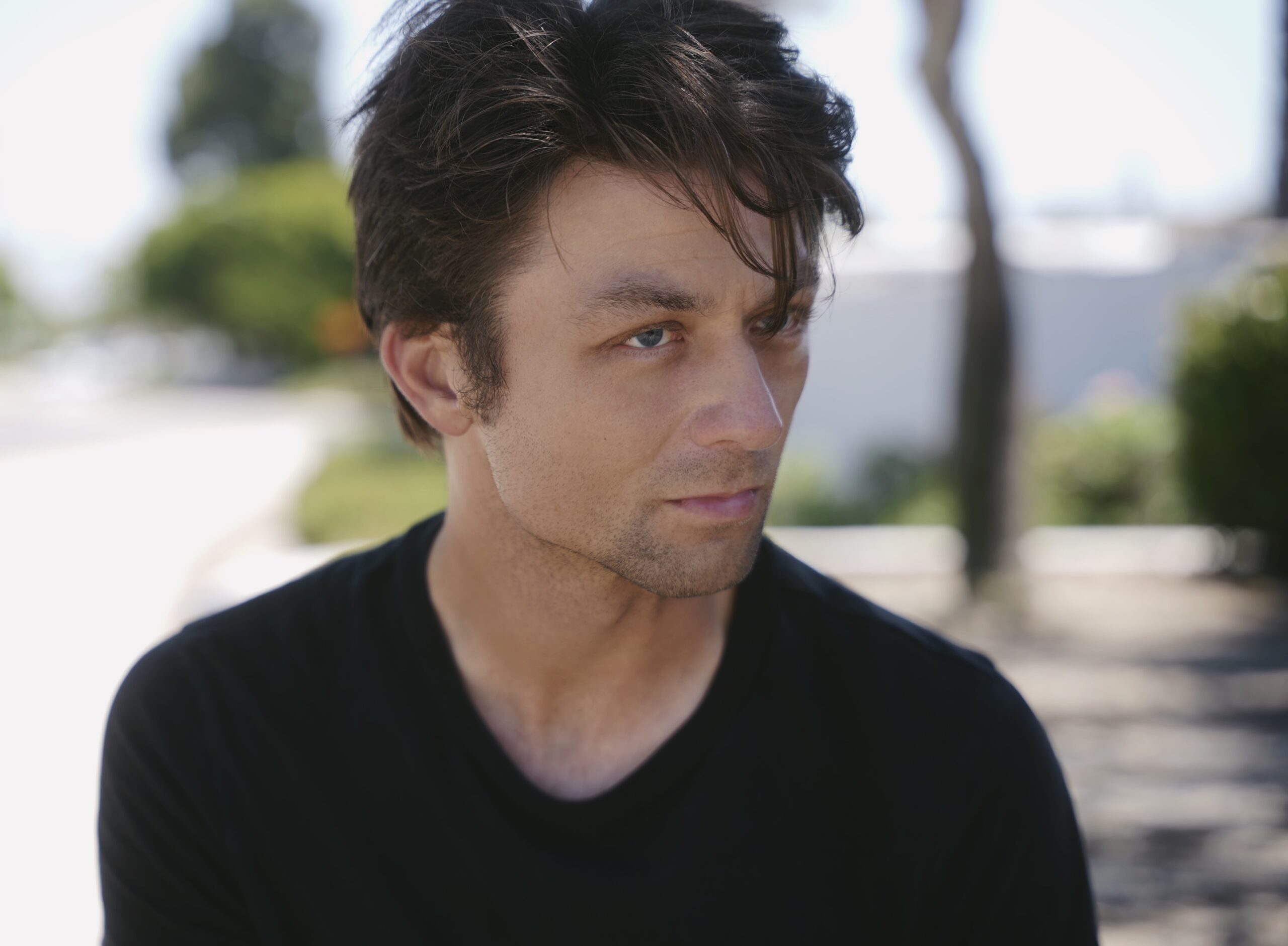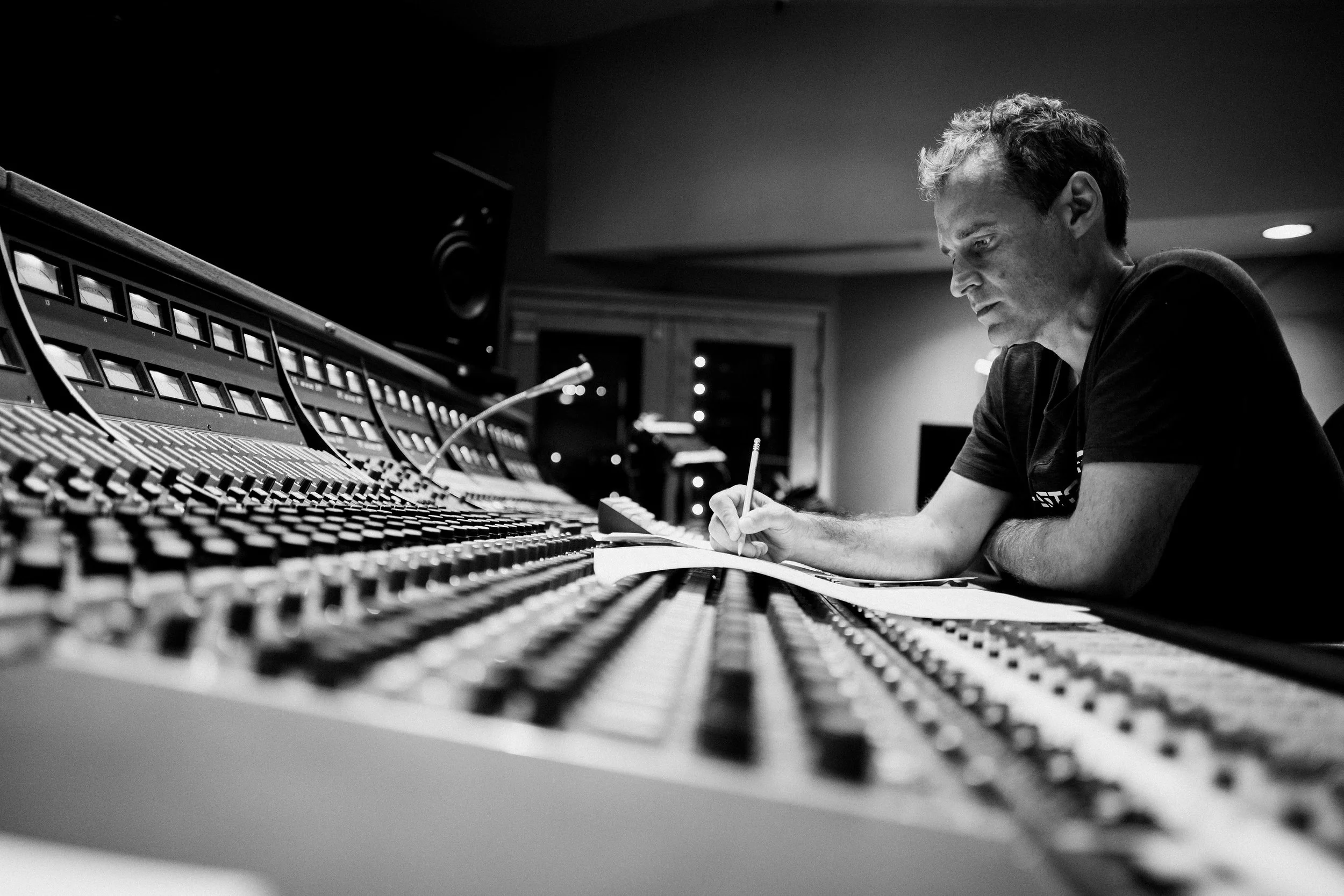
Scottish composer Paul Leonard-Morgan has built a reputation for blending classical scoring with modern textures. With Pretty Lethal, that approach expands into something far more chaotic and ambitious.
In our conversation, Leonard-Morgan breaks down how instinct, experimentation, and emotional storytelling shaped one of his most dynamic scores to date.
The First Reaction
Leonard-Morgan knew very quickly that this project was different.
“I just watched ten minutes of it… and I couldn’t stop watching. It was brilliant.”
Even while working on another project, the energy of Pretty Lethal stayed with him. That immediate pull became the foundation for everything that followed.

Shaping the Sound of Pretty Lethal
From the beginning, Paul Leonard-Morgan approached Pretty Lethal with a bold, unconventional idea. He wanted to fuse orchestral scoring with cyberpunk electronic elements and raw punk energy, not as separate layers, but as one cohesive sound. The goal was to create something unpredictable that could match the film’s intensity, especially in its fight sequences.
At one point in our conversation, Leonard-Morgan pulled out one of the tools he used to shape that sound, a flexible keyboard that allows him to bend pitch and pressure in real time. Instead of playing perfectly tuned notes, he can subtly push notes sharp or flat, creating something more unstable and human. It is a small detail, but it speaks directly to how he approached the score, taking something traditionally precise like a piano and making it feel slightly off, which mirrors the tone of the film.
Instead of jumping straight into themes, he started by building a sonic palette. For Leonard-Morgan, it begins with instinct and feel rather than structure. He develops the tone of the film first, allowing the music to live in the same emotional world before shaping specific cues. That approach helps unify the score, even as it shifts across different styles.
Because the film is heavily driven by choreography, precision became a major part of the process. The music had to align closely with movement, hitting beats that were not always straightforward. With multiple elements in play, including orchestra, electronics, and guitar, everything had to work together while still feeling fluid and musical.

Character, Emotion, and Restraint
A strong focus on character shaped much of the score, particularly with Uma Thurman’s role. Rather than leaning into a traditional villain theme, Leonard-Morgan built something more layered, capturing both menace and vulnerability. That idea evolves throughout the film, becoming more defined as the audience connects with the character.
He also experimented with texture and tone, using tools that allowed for subtle imperfections in pitch and performance. Those choices added a sense of unease and humanity to the music, reinforcing the emotional complexity of the story.
At the core of his philosophy is avoiding the obvious. He is less interested in signaling emotions directly and more focused on creating an atmosphere that lets the audience feel something on their own. That approach can be seen in earlier work like Limitless, where music supports internal shifts without spelling them out.
Silence plays an equally important role. Certain sequences strip the music away entirely, allowing tension to build through sound design alone. When the score returns, it carries more weight, creating a stronger emotional payoff.

Finding the Joy in the Process
At one point, Leonard-Morgan took some time to reset creatively and focus on a more personal project, which unexpectedly connected with dancers. That experience fed directly into his approach on Pretty Lethal, reinforcing a sense of experimentation and instinct throughout the score.
In the end, his goal for the audience is simple. He wants them to have fun. Pretty Lethal embraces its chaos and unpredictability, and the music follows that same path.
“You’ve got to find the fun in things, otherwise what’s the point in doing it? You’ve got to enjoy it.”
Final Thoughts
Leonard-Morgan’s work on Pretty Lethal reflects a broader approach to film scoring. It is not just about supporting what is on screen. It is about shaping the experience and guiding how it is felt.
By leaning into instinct, embracing experimentation, and focusing on emotion over formula, he creates something that feels both deliberate and alive. And for a film that thrives on energy and unpredictability, that approach fits perfectly.