
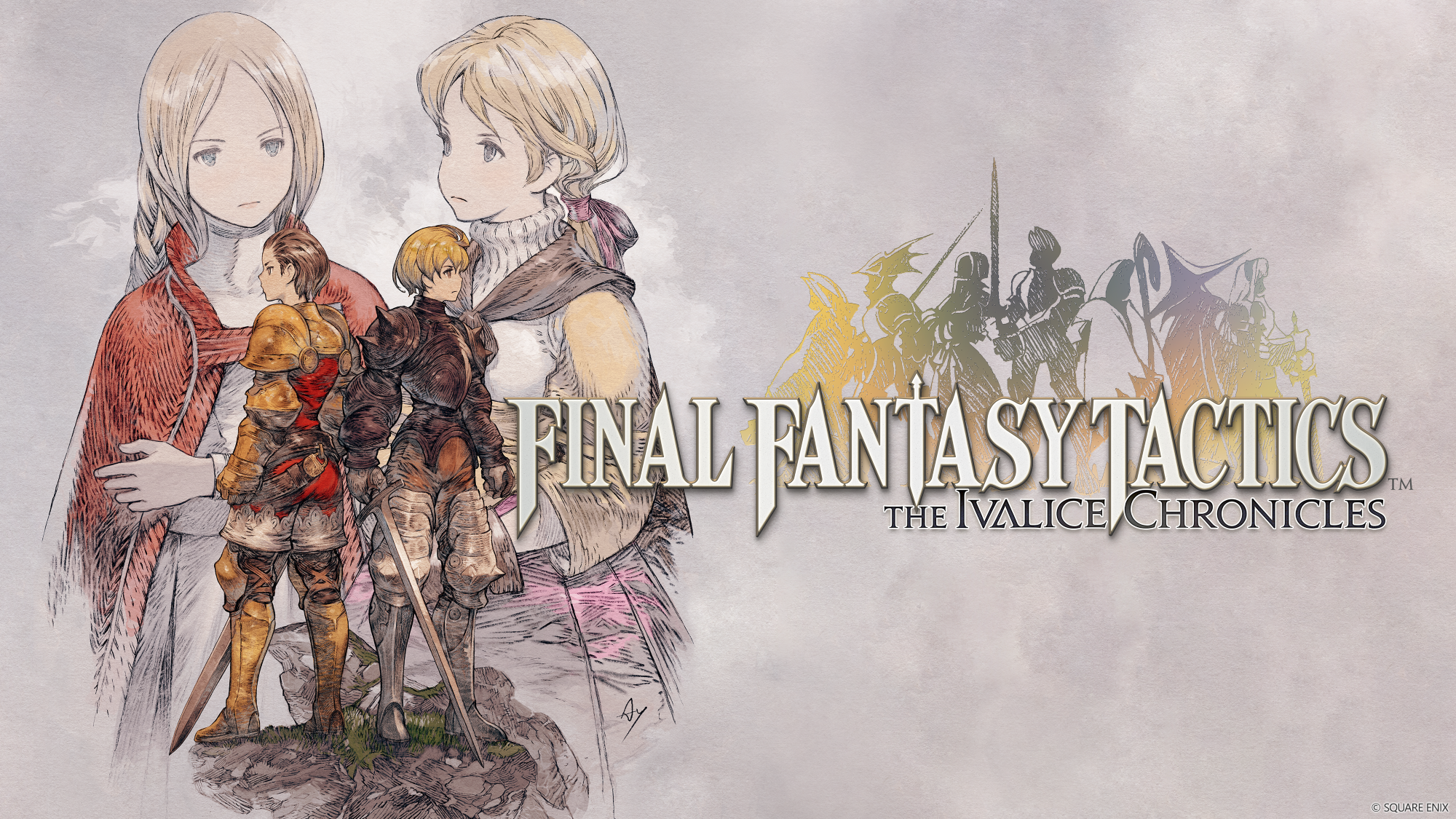
Final Fantasy Tactics: The Ivalice Chronicles is both a return and a renewal. Originally released in 1997, the tactical RPG became a cornerstone of the genre, inspiring countless successors and spin-offs. For many, including myself, the PSP’s War of the Lions was the definitive way to experience the game—a handheld journey filled with political intrigue, heartbreak, and strategy that still lingers in memory. Now, The Ivalice Chronicles remake offers a chance to revisit that foundation, and the result is a masterclass in how to respect the past while enriching it for today’s players.
This is not a reinvention, nor is it a simple preservation project. It is a thoughtful remake that understands the soul of its original and dares to add only what is necessary. The result is one of the most refined tactical RPG experiences to date.
Respecting the Original
At its core, The Ivalice Chronicles remains faithful to the story and structure that made Final Fantasy Tactics legendary. The labyrinthine plot of betrayal, faith, and class struggle is untouched, its mature themes resonating just as strongly as they did decades ago. Battles still play out across grid-based maps, the job system remains intact, and the world of Ivalice feels as grand as ever.

Where the remake shines is in the subtle ways it enhances the original experience. Most importantly, the addition of a fully voiced cast transforms the narrative. Scenes that once played out through text alone now carry weight through tone, cadence, and delivery. Ramza’s struggles, Delita’s ambitions, and the countless moments of quiet sorrow or fiery betrayal feel more immediate and human. This is no small addition—it breathes new life into a story already lauded for its depth.
Modern Refinements
Beyond the narrative, The Ivalice Chronicles introduces a host of quality-of-life improvements. Combat now offers clearer visibility into turn order, action delays, and battlefield data—tools familiar to fans of modern tactics games like Baldur’s Gate 3 or Divinity: Original Sin. These adjustments don’t alter the balance or spirit of the encounters, but they empower players to strategize more effectively. It feels like a natural evolution, as if the game always deserved these systems but had to wait for the technology to catch up.
Equally important is the ability to choose between the “classic” presentation—faithful to the original War of the Lions—or the enhanced version, with modern refinements and voice acting. That flexibility ensures purists and newcomers alike can experience the game on their terms, a design philosophy that embodies respect for both history and accessibility.


The Joy of the Job System
The beating heart of Final Fantasy Tactics’ gameplay has always been its job system, and that remains gloriously intact. Characters can be molded into chemists, knights, wizards, and countless hybrid builds, with passive skills carrying across classes to encourage experimentation. The freedom is intoxicating; you can create a balanced squad, lean into chaos with an all-monk party, or carefully craft specialists to dismantle specific challenges.

Progression feels rewarding, even when grinding becomes necessary. Facing a difficult battle only to retreat, level, re-spec, and return stronger is part of the rhythm. The remake doesn’t attempt to smooth over this difficulty. Instead, it gives players better tools to engage with it, making success feel hard-earned and satisfying.
It’s impossible to talk about Final Fantasy Tactics without acknowledging its influence. Titles like Tactics Ogre, Metaphor: ReFantazio, and even modern strategy RPGs owe much to its systems and design philosophy. Playing The Ivalice Chronicles today underscores just how foundational this game is. The echoes of its mechanics and narrative ambition ripple through decades of RPG design.
And yet, returning to it now doesn’t feel like an academic exercise. The remake preserves the spark—the addictive flow of battles, the emotional pull of its narrative, the joy of seeing your customized squad triumph against impossible odds.
Performance and Presentation
Visually, the remake strikes a balance between nostalgia and modern clarity. The pixel-art aesthetic is carefully preserved but sharpened, ensuring characters and environments look vibrant on both handheld and TV screens. Classic cinematics from War of the Lions remain, now crisp and cinematic on larger displays.

Performance is equally strong. On PlayStation 5, I experienced smooth, hitch-free gameplay, and Temple of Geek’s games editor Myles Obenza played on Nintendo Switch 2. It ran as smooth as you’d hoped on the brand new handheld hybrid console, with no significant frame dips or performances issues during cluttered or chaotic animation sequences. Short bursts of leveling, quick tactical skirmishes, or extended story sessions all feel natural in handheld form, making this one of the best “pick up and play” titles available. In fact, playing on Switch 2 or Steam Deck might be our recommended way to play; being able to jump into a mission or finish errands on the go is a massive draw with this reimagined experience.
Verdict
Remakes are often judged on how much they alter or reinvent. Final Fantasy Tactics: The Ivalice Chronicles proves that sometimes the best path forward is restraint. By leaving the heart of the game untouched and enhancing it only where it truly benefits, Square Enix has delivered the definitive version of a classic. For longtime fans, this is the chance to relive one of the greatest tactics games ever made with new vibrancy. For newcomers, it is perhaps the perfect entry point—a demanding yet rewarding adventure that showcases why the genre endures. Few games deserve the label of “tentpole” as much as this one. The Ivalice Chronicles is a reminder of why we fell in love with tactics RPGs in the first place, and why their legacy continues to inspire.
Kurosh’s Verdict: 10/10
Reviewed code provided by the publisher. Reviewed on PS5.


