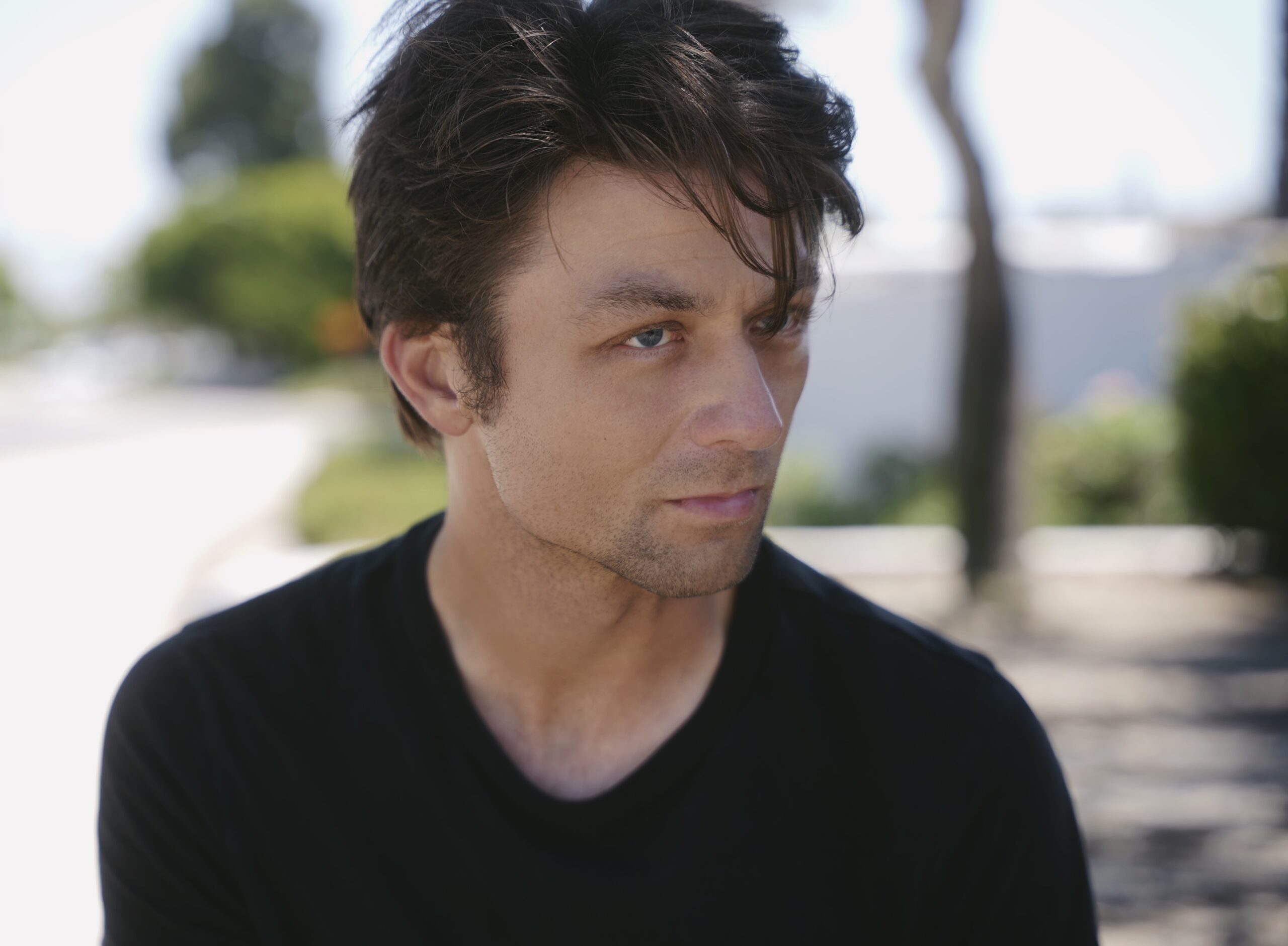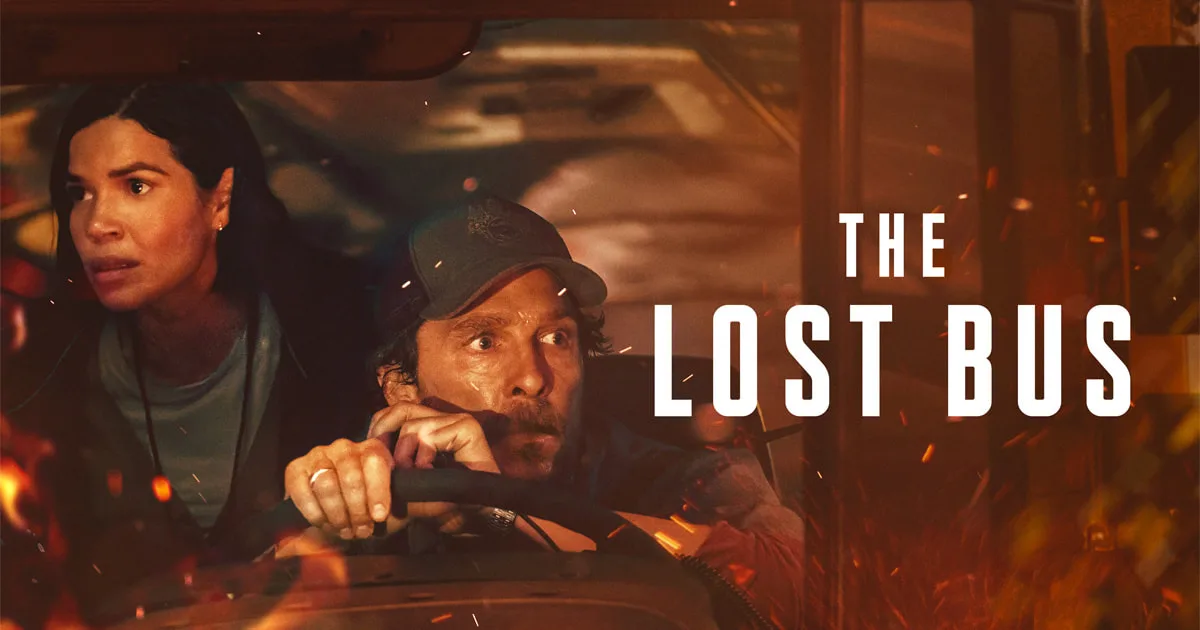
The Oscar-, BAFTA-, and VES-nominated Special Effects Coordinator discusses practical fire, emotional authenticity, and working alongside Matthew McConaughey on the real-life wildfire drama. When you talk with someone who has spent more than thirty years creating fire for film, you expect the conversation to be about the craft. And it is. But with Brandon K. McLaughlin, it’s also about emotion, story, and the experience he wants viewers to have.
What struck me most in speaking with Oscar-, BAFTA-, and VES-nominated Special Effects Coordinator Brandon McLaughlin, however, wasn’t just the technical mastery behind The Lost Bus. It was how deeply he cares about what audiences feel.
From the start of our conversation, his passion for practical effects and truthful storytelling was unmistakable. This isn’t someone interested in spectacle for its own sake. For McLaughlin, fire isn’t just an effect. It’s an emotional language.

A Career Sparked by Wonder
McLaughlin’s path into special effects began with childhood awe. As an eight-year-old visiting the set of The Rocketeer, he watched a zeppelin explosion sequence being filmed, a moment that quietly set the course for his future.
By seventeen, he was working as a special effects production assistant on Twister. More than thirty years later, he has built a career grounded in experience, shaped by decades of hands-on work and continual refinement.
Listening to him describe that journey, what stood out wasn’t just longevity. It was devotion. His career hasn’t been about chasing scale, but about understanding fire deeply enough to make it believable.
Fire as Character
That philosophy shaped his work on The Lost Bus. In our conversation, I asked about director Paul Greengrass’s goal for the wildfire to feel alive, not background but presence, and how that shaped the effects approach.
McLaughlin described how important it was that every sequence contain some element of real, practical fire, even when the full scale would later be expanded through visual effects.
You could hear in his voice how important that was to him. Practical flame wasn’t simply aesthetic. It was emotional grounding. Actors needed something real to respond to. Visual effects needed something truthful to build from. The goal wasn’t bigger fire. It was believable fire.
Collaboration, Not Competition
One of the most revealing parts of our discussion was how McLaughlin views the relationship between practical and digital effects. Rather than seeing VFX as replacement, he sees partnership.
“The special effects department and visual effects have to work hand in hand as one seamless department.”
That philosophy guided every scene: practical fire providing light and interaction, VFX expanding scale safely. It’s a balance that audiences rarely notice, precisely because it works.

Lighting with Flame
Greengrass wanted the film lit primarily by fire itself, an ambitious visual goal that required careful engineering. McLaughlin described manipulating propane mixtures and vaporization systems to produce flames that were bright enough to illuminate actors naturally on camera.
“Paul didn’t want to use any light. He wanted me to light the whole thing with fire.”
Hearing him explain this, what stood out again was intent. Every technical decision traced back to story and feeling. The fire had to look real because the danger had to feel real.
Giving Actors Something Real
Many scenes in the film began with small practical flames. McLaughlin described providing controlled fires for actors, including Matthew McConaughey, to interact with physically, allowing VFX to expand them later.
“I gave him a small fire… enough for him to play off of. Then visual effects could grow it.”
That approach ensured continuity: the audience never shifts between real and constructed fire. It all feels of one world.

The Emotional Weight of a True Story
What became clear as we spoke was how personally McLaughlin connected to The Lost Bus. His shop foreman grew up in Paradise, California, the town devastated by the 2018 Camp Fire. His family lost their home. That proximity shaped how seriously the crew approached authenticity. For McLaughlin, the film wasn’t just a technical challenge. It was a responsibility.
Working with Matthew McConaughey
Because actors were surrounded by real heat and smoke, performances carried genuine intensity. McLaughlin recalled how emotionally heavy the environment could be during certain scenes, particularly those set at the destroyed school. He remembered a moment when even Matthew McConaughey, as he put it,
“He had to take a second. We tried to make it as realistic as possible on set.”
Hearing this, it was clear how much he values giving actors environments they can truly inhabit, not imagine.

Why Practical Effects Still Matter
Toward the end of our conversation, McLaughlin spoke about something that clearly matters to him: the continued importance of practical effects in a digital era.
“If we can do it in camera, you’re going to get a better product.”
It was a conviction shaped by decades of experience. For him, practical fire isn’t about tradition. It’s about honesty. Audiences may not consciously register it, but they feel it.
A Craftsman Who Cares What We Feel
What stayed with me most after our conversation wasn’t just the scale of The Lost Bus fire work, though it’s remarkable. It was Brandon McLaughlin himself, a craftsman deeply invested in authenticity, collaboration, and emotional truth.
His passion for what audiences experience, not just what they see, runs through every part of his approach.And in The Lost Bus, that commitment is visible in every flicker of flame.

Watch the full Brandon K. McLaughlin interview below: