
One of Diablo IV’s greatest strengths has always been the sheer number of ways players can engage with it. Some players come for the story. Others live for seasonal resets, hardcore runs, endgame grinding, or perfecting a build with friends. Some are still attached to characters they have carried since launch on the Eternal Realm. Others want to push the Pit, chase gear, or simply lose themselves in the rhythm of mowing through hordes of demons. That flexibility has always been part of Diablo IV’s appeal. The challenge has been whether the game consistently helps players find the version of fun that suits them best.
That is where Diablo IV: Lord of Hatred feels successful. More than just adding content, this expansion reshapes the experience around player choice, build expression, and a stronger sense of momentum. While its campaign can get bogged down by unnecessary friction, the overall package does a great job of reinvigorating the game for long-time fans and giving newer players more ways to engage.
The Story Delivers, Even If the Pacing Stumbles
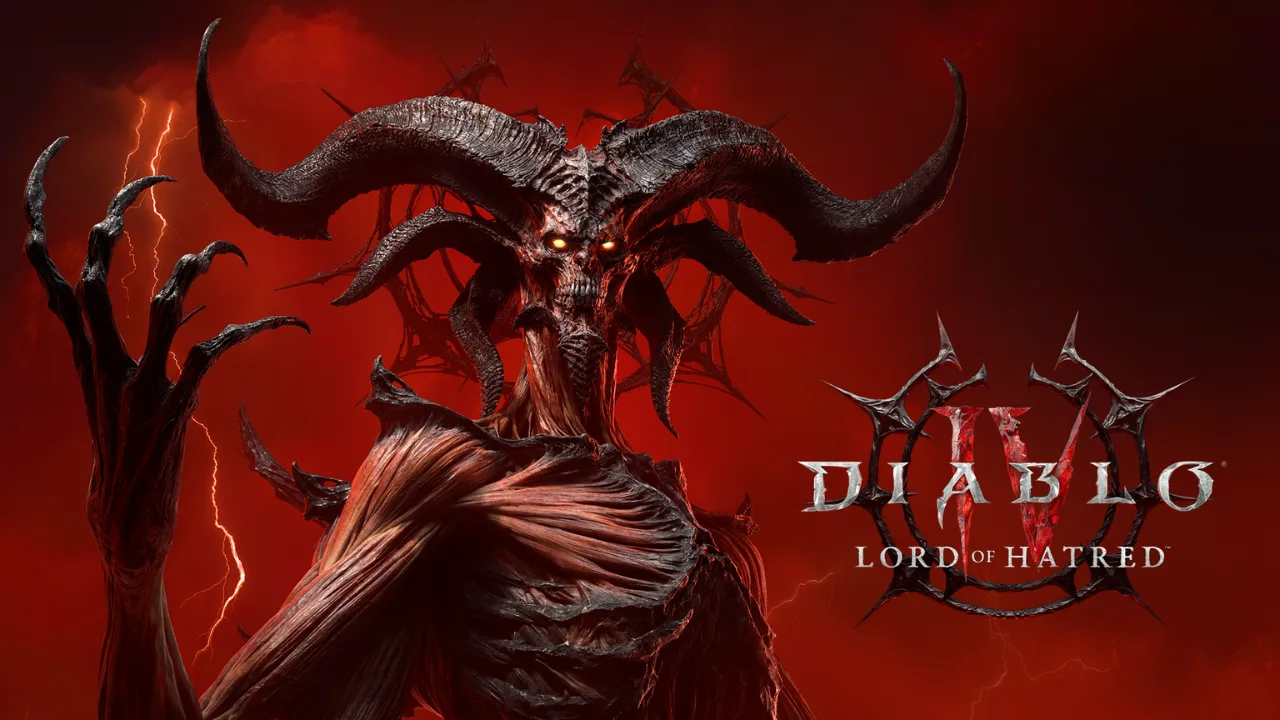
From a narrative standpoint, Lord of Hatred has real weight behind it. This expansion feels like a meaningful continuation of the larger story that began with Diablo IV’s launch, bringing key threads closer to a payoff as Mephisto becomes an even more central force in the conflict.
The writing and character development are where the expansion shines most consistently. There is a stronger sense of consequence here, and several arcs land with the kind of payoff that makes the journey feel worthwhile. It gives the world more texture and gives its cast room to matter in ways that feel appropriately dramatic for where this story is headed. The problem is not the larger narrative. It’s the moment-to-moment design of playing through it.
Too often, the campaign undercuts its own urgency with small, unnecessary tasks that feel disconnected from the scale of what is happening. At points where the story should be charging ahead, it instead pauses for busywork that kills the pacing. One standout example comes near the final missions, when the player is powerful enough to summon giant demons, but is still forced into a mundane objective involving finding and repairing ballista pieces just to deal with a minor barrier.

It is the kind of quest design that does not deepen the experience so much as pad it out. The main story beats are strong, but getting between them can feel clunky in ways that hold the campaign back from reaching its full potential.
Warlock and Paladin Classes Bring It
The new classes do a lot to make Lord of Hatred feel fresh. Warlock and Paladin are both excellent additions, not just because they are fun to play, but because they introduce a strong thematic contrast that gives the expansion more identity.
Warlock is especially enjoyable thanks to its aggressive summoning style and hellish conjuring fantasy. Managing two resources while leaning into destructive, chaotic power makes it feel distinct from the rest of the roster. There is a satisfying “fight fire with fire” energy to the class that makes it easy to get invested in how it plays.

Paladin offers a very different fantasy, centered on defense, order, and durability. It is a class built around standing firm, controlling space, and acting as a righteous counterweight to the chaos around it. The four-oath playstyle approach also gives Paladin a nice amount of flexibility, which helps it feel sturdy without being one-note.
Launching these two classes alongside this expansion is a smart move. Their contrast mirrors the broader tone of Lord of Hatred itself. One is built around corruption and unleashed force, while the other is rooted in discipline and protection. That duality gives the expansion a stronger sense of purpose than simply adding more options for the sake of it.

The Endgame Is Where Lord of Hatred Truly Wins
As important as the story is, the endgame is where many Diablo IV players spend most of their time. That is also where Lord of Hatred feels most impactful.
This expansion does a much better job of helping players chart their own path through the postgame. The Pit sees improvements through more monsters, bosses, and environments. The raised level cap to 70 and expanded Torment tiers up to 12 give players more room to grow and test their builds. The revamped skill tree opens the door to more variation and experimentation.

Quality-of-life additions also make a difference. Loot searching is long overdue and immediately useful, especially in a game where targeted progression matters so much. The map overlay is another welcome change, making navigation smoother without pulling players away from the action.
One of the smartest additions is Warplans, which ties together activities like the Pit, Infernal Hordes, Helltides, Nightmare Dungeons, lair bosses, and more into a broader war effort. It is a smart thematic and structural choice. Instead of the endgame feeling like a loose pile of disconnected activities, Warplans give players a roadmap and better contextualize why they are doing what they are doing.
Additional systems like the Talisman and Horadric Cube further strengthen the endgame by adding more build customization and gear progression depth. Even lighter additions like fishing help give the world more texture, reinforcing that Diablo IV can support different types of engagement beyond pure combat efficiency.

Heaven and Hell
Diablo IV: Lord of Hatred succeeds because it understands what the game needs most. Not just more content, but better ways for players to find their fun within it. A great way to celebrate the 30th anniversary of the Diablo franchise.

Verdict
Its story has strong characters and meaningful payoff, even if the campaign is weighed down by unnecessary detours. Its new classes are compelling and distinct. Most importantly, its postgame improvements, progression systems, and quality-of-life updates give the game a stronger foundation moving forward. It’s not a flawless expansion, but it is an effective and often exciting one. For players who want more freedom, more expression, and more reasons to stay invested in Diablo IV, Lord of Hatred delivers.
Kurosh’s Verdict: 8/10
Reviewed code provided by the publisher. Reviewed on PC.
Be sure to join our Discord for discussions about video games and more at Temple of Geek!


