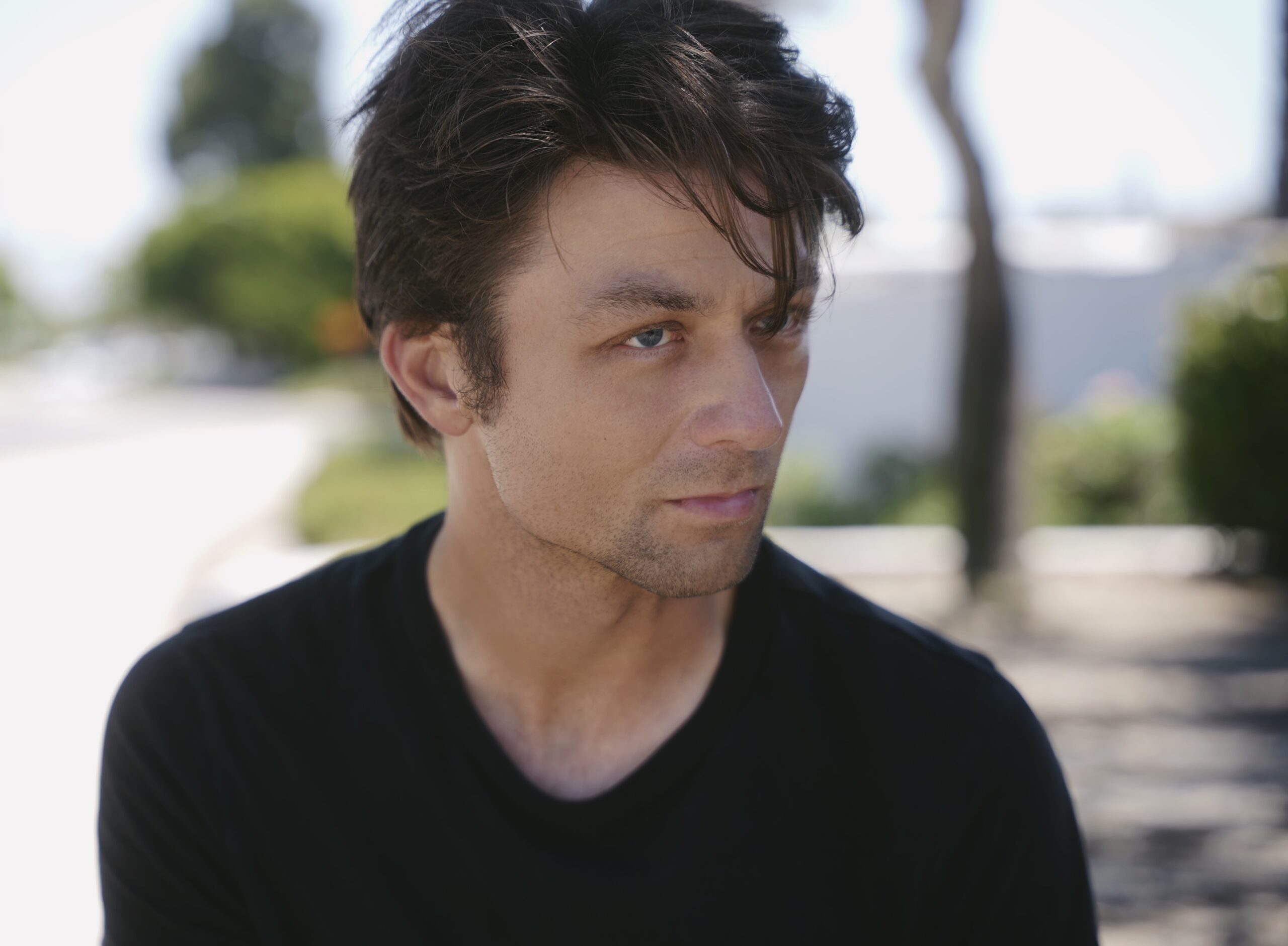
In KEEPER, director Osgood Perkins crafts an unsettling, slow-burn horror experience where tension simmers just beneath the surface. But as much as the film unnerves visually, its emotional and psychological weight comes from a score that knows when to speak – and when to disappear.
Composer Edo Van Breemen, whose work blends classical training with experimental sound design, sat down to talk about his process on KEEPER, his collaborative relationship with Perkins, and why restraint is often the most powerful tool in horror scoring.
From Indie Bands to Film Scoring
Van Breemen’s path into film composition didn’t begin in a studio or conservatory, but in indie bands and classical piano training. His music’s early life in textured, atmospheric band recordings naturally translated into film – especially when European filmmakers began placing his songs into short films.
Living in Vancouver, often called “Hollywood North,” further immersed him in a creative ecosystem where film and music intersect organically. Rather than idolizing film composers early on, Van Breemen discovered the world of scoring through practice – learning by doing rather than imitation.

“It wasn’t about fanboying composers,” he explains. To Edo, it was more about recognizing that the music he was already creating could also find a place in film.
The Monkey vs. KEEPER: Two Very Different Creative Spaces
Before KEEPER, Van Breemen composed the score for The Monkey under intense pressure – stepping in late and working with an existing edit and temp tracks. That experience directly shaped the trust built with Perkins.
With KEEPER, everything shifted.
This time, Van Breemen had creative freedom from the ground up. No temp score. No predefined palette. Instead, he and Perkins worked conceptually – developing sonic identities for the environment, and the characters themselves. Because KEEPER largely takes place in a single location, the score had to subtly differentiate emotional and psychological spaces without overwhelming the story.
Minimalism as Emotional Precision
One of the most striking qualities of KEEPER’s score is its restraint. Van Breemen speaks candidly about resisting the urge to “lead the audience” emotionally – especially in moments of vulnerability or psychological fracture. Instead of swelling strings or obvious cues, he often used single piano notes, manipulated recordings, or near-silence.
A standout emotional moment – when the protagonist is left alone, questioning reality and relationships – is intentionally under-scored.
“There’s another version where you hit the audience over the head and tell them she’s sad,” Van Breemen says. “But we didn’t want that.”
Sometimes, a single low piano note – reversed, layered, or subtly edited – was enough to let emotion breathe.

Acoustic Instruments, Made Strange
Although KEEPER feels otherworldly, parts of its score comes from acoustic performances; a piano and percussion played by Van Breemen himself; Classical guitar, operatic vocals, saxophone processed into eerie textures, fiddle manipulated to resemble a detuned cello – many of these recordings were transformed into playable instruments using Ableton, allowing organic performances to become eerie, almost synthetic soundscapes. This philosophy – real sound first, technology second – defines the score’s uncanny tone.
Horror Without the “Jump-Scare Sting”
Another thing I found interesting was that rather than leaning on traditional horror techniques (sharp violin hits, bass drops, stings), Van Breemen and Perkins intentionally pursued the opposite approach. They experimented with what Van Breemen calls the “anti-sting”. Basically, sound texture builds, then the scare happens, and the music falls away. Silence becomes the shock.
“Oz really understands silence,” Van Breemen notes. “When the music comes in, it has to mean something.”
This approach aligns perfectly with KEEPER’s psychological framework – unsettling not because it’s loud, but because it feels wrong.
Edo Van Breemen Influences: Johann Jóhannsson
Van Breemen draws inspiration from composers who bend orchestration into something unfamiliar. He cites Johann Jóhannsson, particularly Arrival and Last and First Men, as guiding examples of how minimal acoustic instrumentation can feel profoundly futuristic. This sensibility carries into his broader ambitions – including work in science fiction and documentary, where emotional truth matters more than genre expectations.
Why KEEPER’s Score Sticks With You
What makes KEEPER linger isn’t just its imagery or performances – it’s the way the score respects the audience. By trusting silence, embracing the rawness of the moment, and grounding horror in organic sound, Edo Van Breemen’s music deepens the film’s psychological impact long after the final frame. For fans of atmospheric horror and thoughtful sound design, KEEPER is a masterclass in how less truly can be more.