
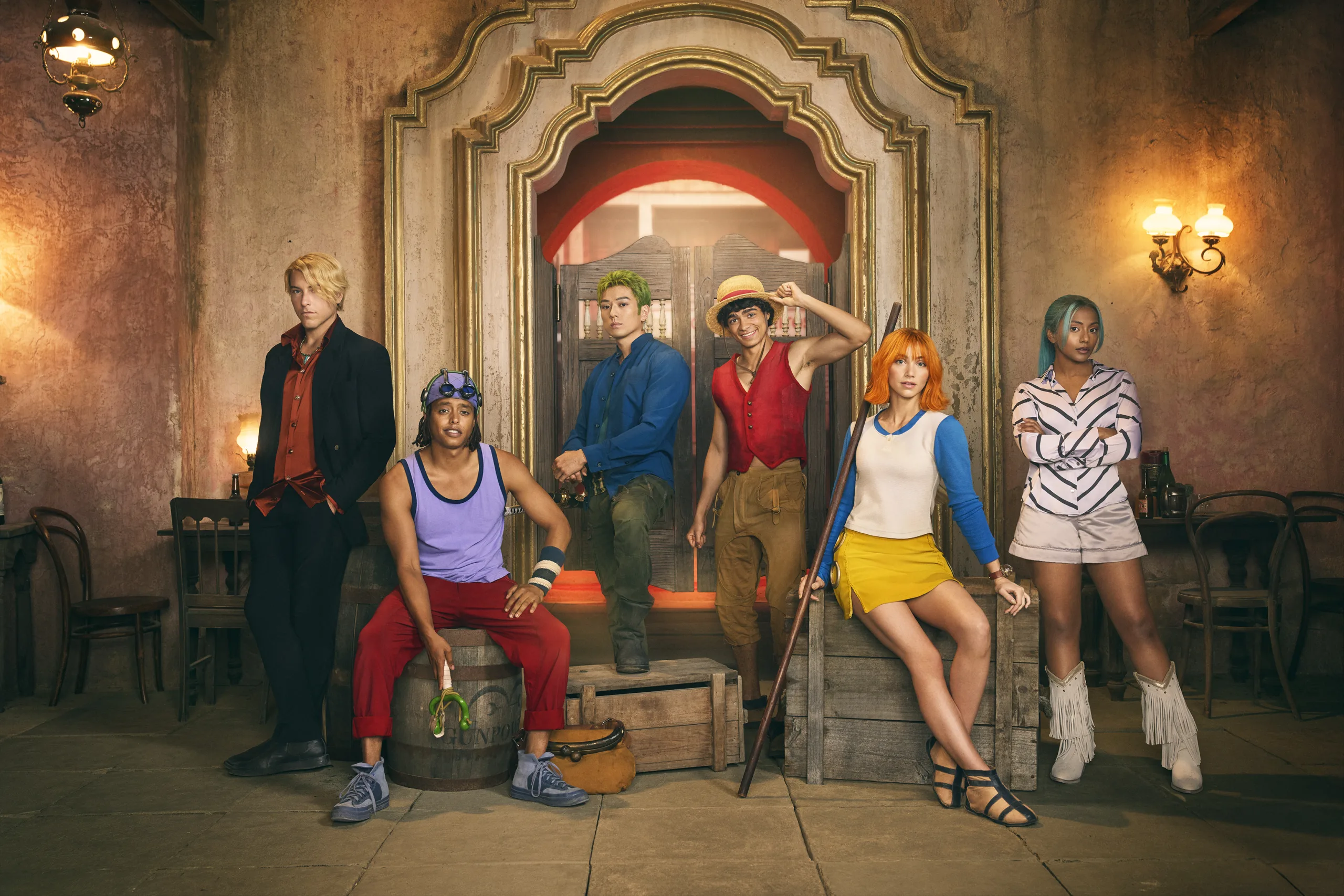
The transition from manga to live-action is a notoriously difficult feat, but for Eric Litman, editor of Netflix’s One Piece, the challenge is exactly what makes the job rewarding. Speaking at WonderCon 2026, Litman reflected on the massive global success of the first season, which garnered approximately 70 million views, and the added pressure that came with delivering an even bigger second season.
According to Litman, the premiere of Season 2 was so highly anticipated that it reportedly crashed Netflix. For the editorial team, the goal was not just to repeat the success of the first season, but to enhance the language of the show while remaining deeply rooted in the source material.
Eric Litman on the Direct Inspiration from the One Piece Manga
One of the most striking elements of the live-action adaptation is its visual loyalty to Eiichiro Oda’s original work. Litman explained that the editorial team constantly references the manga to construct scenes, even ripping specific panel layouts directly for the screen.
He pointed to a pivotal moment in Episode 1 where Luffy calls out to the Straw Hats from the execution podium. The resulting split-screen sequence was a direct homage to the manga’s layout, intended to capture the same emotional weight as the original art.
Making the Audience Cry: Laboon and Binks’ Brew
Season 2 tackled some of the series’ most emotional milestones, including the introduction of the giant whale, Laboon. Litman emphasized that for these fantastical elements to work, they had to feel grounded and emotionally resonant.

To ensure the heartbreak of Laboon’s story landed, the editorial team used a unique metric in the cutting room: tears. During the sequence where Brook sings and Laboon hears “Binks’ Brew” in a flashback, the note from producers was consistently, “Close, but I’m not crying yet.” The team continued to refine the edit until they achieved the desired emotional reaction, a success Litman later confirmed through fan reviews.
Evolving the Action: The Wax Battle and Zoro’s Blades
When it came to the season’s high-octane battles, Litman took creative risks to increase the excitement. The final sequence involving the wax and a large-scale fight was not originally scripted to be as fast-paced as it became.
“I just went ahead and started just intercutting the hell out of it,” Litman said, describing the process of making the fights more dynamic. This creative freedom led to standout moments, such as Zoro wielding his blades while they were on fire, a sequence that the entire production team was particularly excited to see come together.

Balancing the Tones of Baroque Works
One of the primary challenges of Season 2 was introducing the villainous organization Baroque Works. Litman noted that these characters are pretty out there in terms of design and personality, citing Mr. 9 and his crown and bat as an example.

The editorial team had to perform a delicate balancing act. Leaning into the character’s quips and eccentricities without undermining them as a legitimate threat. This reflects the broader challenge of One Piece as a whole, a series that must seamlessly jump between comedy, drama, and high-stakes action without feeling disjointed.
As fans look forward to the future of the series, Litman’s work stands as a testament to the power of thoughtful editing in making the impossible world of anime feel real.


2 thoughts on “Eric Litman on Bringing “One Piece” Season 2 to Life”