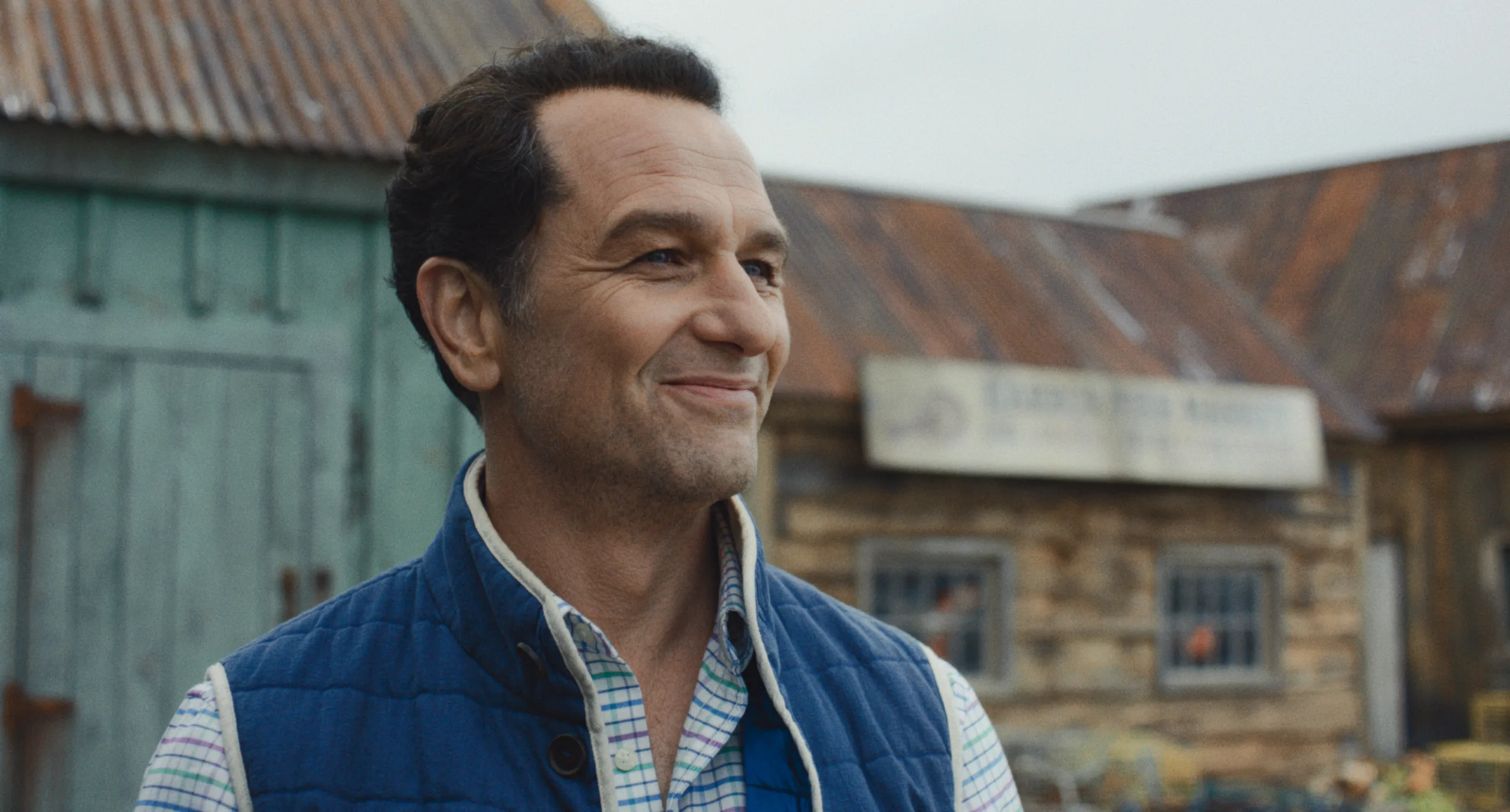
Temple of Geek’s Maria Akhtar sits down with Production Designer Steve Arnold to discuss his Emmy-nominated work on the hit series Widow’s Bay. Steve dives into how his personal roots in the Pacific Northwest inspired the show’s setting, the intricate process of building 25 stage sets, drawing homage to classic horror like Jaws and The Shining, and the balance between comedy, horror, and set engineering.
While television productions often aim to limit stage builds, the intricate demands of Widow’s Bay required an extensive blend of practical location scouting and full-scale set construction. Reflecting on the scale of the build, Arnold remarked: “As most productions are, they’re very optimistic about ‘Well, we’ll only use two stages, and we won’t build that many sets.’ By my last count, we built 25 stage sets, and we didn’t use two stages. We used all four stages that exist there, and they were jammed to the roof”.
Repurposing Set Platforms, Blending Real Coastlines and Simulating Remote Geography
To maximize stage space, sets were continually modified, dismantled, or rebuilt on existing platforms throughout production. Arnold highlighted the creative studio logistics: “We shot boats on stage… We built a lighthouse in the parking lot. We were knocking them down, and we’re using the same platforms for another set as it just came along, and the basement for the breakwater turned into… the town hall shelter sequence”.

Location shooting spanned several coastal Massachusetts sites to stitch together the geography of the fictional island. Bearskin Neck in Rockport served as the main street exterior, while Lanes Cove provided the setting for the ferry boat dock. Practical interiors were also utilized, such as setting the sheriff’s station inside a designated room within the real building used for the town hall exterior.

Navigating the logistical realities of filming on an actual island led the production team to piece together mainland locations that simulated remote coastal isolation. Arnold recalled from past experience that shooting directly on an island can be a “logistics nightmare”. By carefully framing shots on mainland locations, the team successfully maintained the illusion of an isolated island town without exposing surrounding mainland structures.